How Much Does Ductless Mini-Split Installation Cost in La Quinta, CA? 2026 Pricing Guide
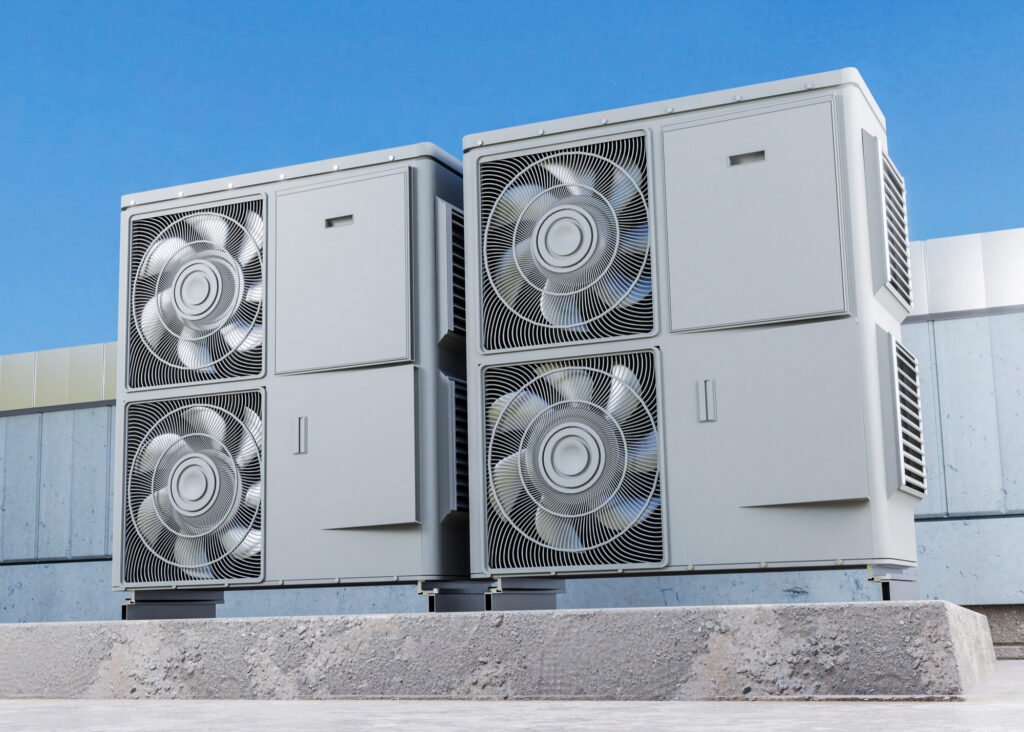
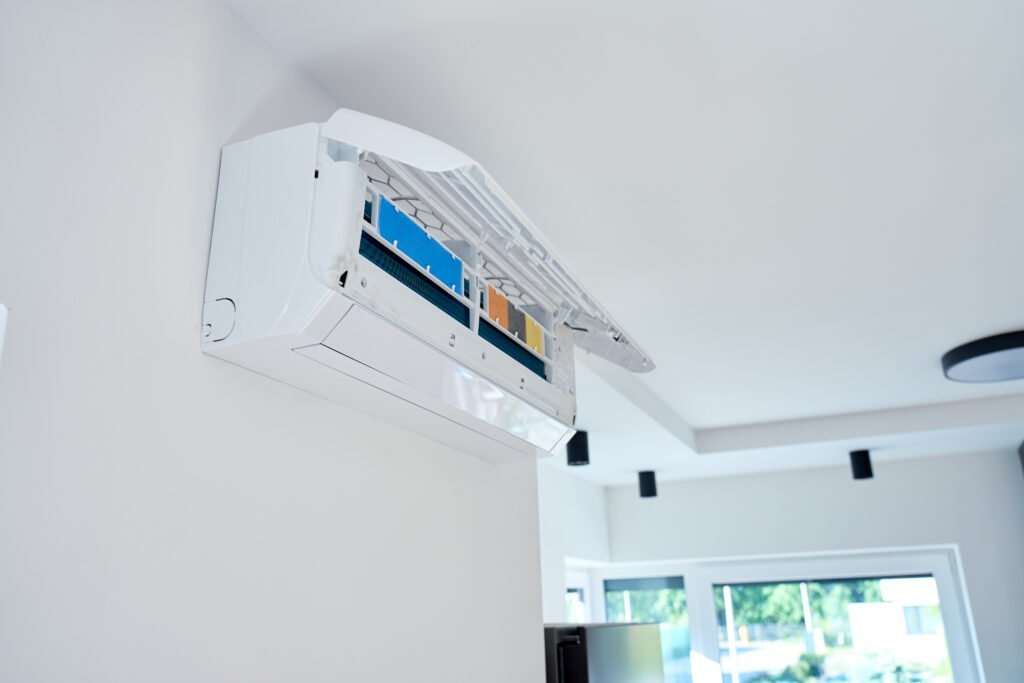
Ductless mini split installation cost in La Quinta CA depends on the number of zones, system size, equipment quality, electrical requirements, refrigerant line routing, indoor unit placement, installation complexity, and whether the project is for a bedroom, casita, garage conversion, home addition, or whole-home comfort solution. In La Quinta’s desert climate, a properly sized ductless mini-split can help homeowners improve comfort, control room-by-room temperatures, and reduce the need for expensive ductwork in certain spaces. Next Level Air Conditioning helps homeowners in La Quinta, Palm Desert, Indian Wells, Indio, Rancho Mirage, Palm Springs, Cathedral City, Bermuda Dunes, Coachella, and nearby Coachella Valley communities compare ductless mini-split options and get project-specific estimates. 2026 Ductless Mini-Split Installation Cost in La Quinta, CA Mini-split installation isn’t a one-price-fits-all project. A straightforward system cooling one bedroom can be substantially less expensive than a multi-zone system designed to provide individualized temperature control throughout a larger home. Homeowners can use the following ranges as an initial 2026 budgeting guide: Mini-Split Configuration Estimated 2026 Installed Cost Single-zone system $4,000–$8,000 Two-zone system $7,500–$13,000 Three-zone system $9,500–$18,000 Four-zone system $12,000–$25,000+ Large whole-home ductless system $20,000–$30,000+ Actual costs vary significantly by equipment and installation. A single-zone mini-split typically consists of one outdoor condenser connected to one indoor air-handling unit. Multi-zone systems connect several indoor units to compatible outdoor equipment, allowing different rooms or areas to receive independent comfort control. What Determines Mini-Split Installation Cost in La Quinta? Several factors can dramatically change your final price. Number of Heating and Cooling Zones The number of zones is typically one of the largest cost factors. A homeowner who wants to cool one converted garage needs a much different system than someone trying to condition four bedrooms and a living area. Each additional indoor unit generally requires additional equipment, refrigerant lines, condensate drainage, controls, installation labor, and sufficient outdoor-unit capacity. More zones therefore mean a higher overall project cost. Mini-Split Size and Capacity Bigger isn’t automatically better with HVAC equipment. Mini-splits need to be appropriately sized according to the area they are expected to condition and the characteristics of the home. Factors affecting system sizing can include: La Quinta’s intense summer temperatures make proper sizing especially important. An undersized system may struggle during periods of extreme heat. Oversizing can also create comfort and performance issues. Professional HVAC sizing helps match the equipment to the actual cooling requirements of the space. Equipment Efficiency and Quality Mini-split equipment is available across multiple efficiency and feature levels. Higher-efficiency inverter-driven equipment often costs more initially but may provide improved energy performance and more precise temperature control. Equipment pricing can also vary according to manufacturer, capacity, warranty, controls, indoor-unit style, and other features. Next Level Air Conditioning works with major HVAC brands and can help homeowners compare equipment based on their particular comfort needs rather than choosing a system based solely on price. Electrical Requirements Mini-splits require appropriate electrical service. If your existing electrical system can support the new equipment, installation may be relatively straightforward. Other homes may require additional electrical work, a new dedicated circuit, disconnect equipment, or potentially electrical-panel modifications. These requirements can increase the total project cost and should be identified before installation begins. Refrigerant Line Length and Routing The outdoor condenser and indoor air handler are connected using refrigerant lines. A simple installation where the indoor and outdoor equipment can be positioned relatively close together generally requires less material and labor. Longer or more complicated routing may increase costs. Finished walls, multiple floors, difficult access, architectural features, and the desired location of indoor units can all affect installation complexity. Wall-Mounted vs. Ceiling or Concealed Units The familiar wall-mounted indoor unit is generally one of the simplest ductless configurations. Homeowners who prefer a different appearance may consider ceiling cassettes or concealed ducted mini-split equipment where appropriate. These configurations can require additional construction or installation work and may increase the overall price. Why Mini-Splits Make Sense in La Quinta’s Desert Climate La Quinta’s climate creates a strong case for efficient cooling. Located in the Coachella Valley near the Santa Rosa Mountains, La Quinta experiences prolonged periods of hot weather where residential cooling systems may operate extensively. A ductless mini-split can provide several benefits for desert homes. Homeowners can also review the U.S. Department of Energy’s guide to ductless mini-split heat pumps to better understand how these systems provide zoned heating and cooling without traditional ductwork. Zoned Temperature Control Traditional central HVAC systems generally condition multiple rooms simultaneously. Ductless systems can provide more individualized control. For example, you may want your primary bedroom cooler overnight without conditioning an unused guest room to exactly the same temperature. That flexibility can be particularly useful for homes with variable occupancy. No Traditional Ductwork Required Mini-splits can be an attractive solution for areas where extending existing ductwork would be difficult or expensive. Common applications include: This is one reason ductless HVAC has become popular for targeted comfort improvements. Heating and Cooling From One System Many ductless mini-splits are heat pumps. That means compatible systems can provide both cooling and heating rather than functioning only as air conditioners. Although cooling is understandably the primary concern for many La Quinta homeowners, heat-pump capability can provide useful winter comfort as well. Single-Zone vs. Multi-Zone Mini-Splits Choosing between single-zone and multi-zone equipment is one of the most important decisions affecting project cost. Single-Zone Mini-Split A single-zone system connects one indoor air handler to an outdoor unit. This can work well for: Garages converted into living areas: Adding traditional ductwork may be impractical. Casitas and guest houses: Separate temperature control can be useful when these spaces are occupied intermittently. Home offices: Homeowners can condition the workspace without changing the temperature throughout the entire house. Problem rooms: A mini-split may provide targeted cooling for a room that consistently runs warmer than the rest of the home. Multi-Zone Mini-Split Multi-zone equipment can serve multiple rooms or living areas. Depending on system design, several indoor units may connect to compatible outdoor equipment. The primary advantage is independent zone control. …
How Much Does Ductless Mini-Split Installation Cost in La Quinta, CA? 2026 Pricing Guide Read More »
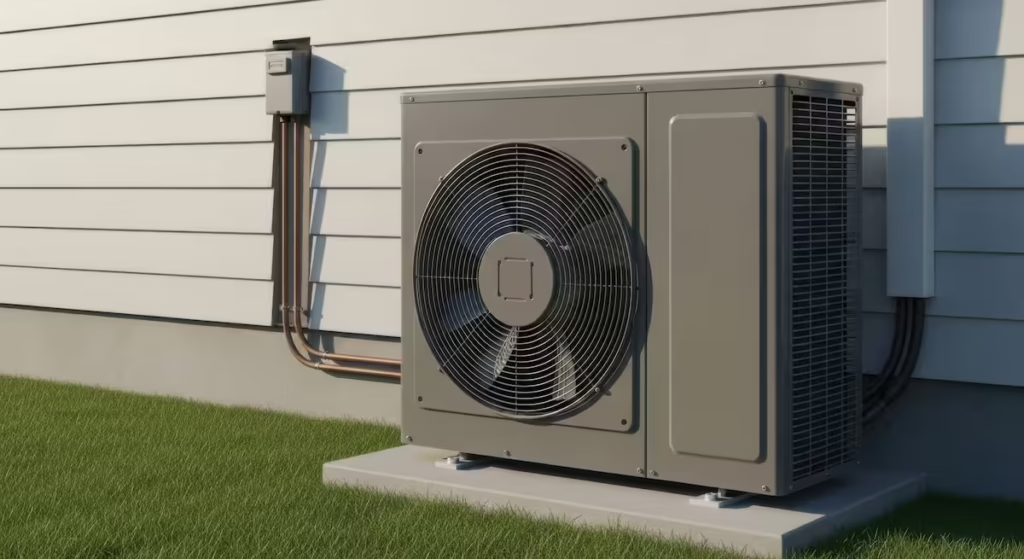


![How Much Does new Ac Unit Cost to Install? [2024]](https://acnextlevel.com/wp-content/uploads/2023/11/istockphoto-1345793778-612x612-1-1024x683.jpg)