
AC troubleshooting in Palm Desert becomes urgent when your air conditioner suddenly stops cooling during extreme desert heat. Many homeowners worry the compressor has failed, but the issue may be something simpler, such as a blown AC fuse, tripped breaker, dirty air filter, capacitor problem, loose electrical connection, or thermostat issue.
At Next Level Air Conditioning, we help homeowners in Palm Desert, Palm Springs, Rancho Mirage, Indian Wells, La Quinta, Cathedral City, Desert Hot Springs, Bermuda Dunes, Thousand Palms, Indio, Coachella, and nearby Coachella Valley communities diagnose AC problems quickly and safely. If your system will not turn on, blows warm air, makes loud buzzing sounds, or keeps tripping the breaker, a professional diagnosis can help you avoid guessing and unnecessary repairs.
In this guide, we’ll explain the difference between a blown AC fuse and a failing compressor, the warning signs of each, simple troubleshooting steps homeowners can safely perform, and when professional service is necessary.
Table of Contents
Why AC Problems Need Immediate Attention in Palm Desert
The Coachella Valley experiences some of the hottest temperatures in California. Areas near El Paseo Shopping District, The Living Desert Zoo and Gardens, Palm Desert Civic Center Park, Desert Willow Golf Resort, and nearby communities frequently experience extended periods of extreme heat.
During these high-temperature months, your HVAC system may run 12 to 18 hours every day. That constant workload places tremendous stress on electrical components, capacitors, contactors, compressors, and protective fuses.
Small issues that might not seem urgent during cooler weather can quickly become major repairs when your air conditioner operates continuously in triple-digit temperatures.
Understanding How Your Air Conditioner Works
Before troubleshooting, it helps to understand a few basic components.
Your air conditioning system includes:
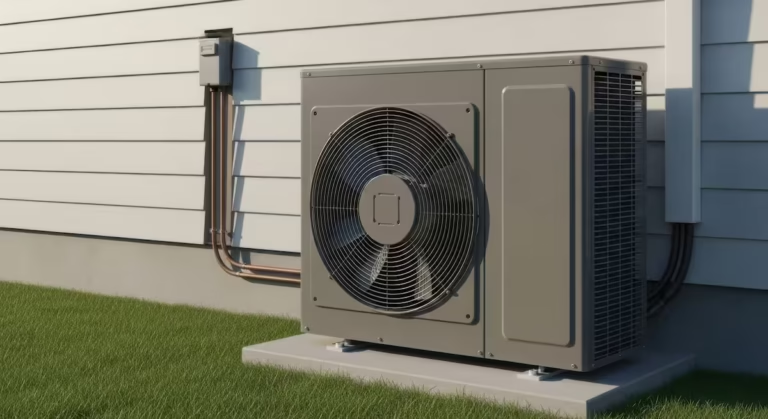
- Outdoor condenser unit
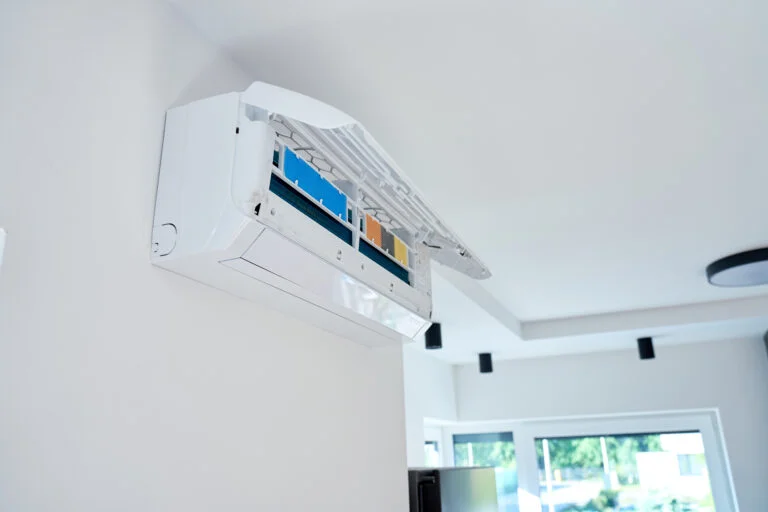
- Indoor evaporator coil
- Compressor
- Electrical disconnect
- Capacitors
- Contactors
- Refrigerant lines
- Circuit breakers
- Protective fuses
Every one of these components plays an important role. When even one fails, your system may stop cooling properly.
Two of the most commonly confused problems are:
- A blown electrical fuse
- A failed compressor
Although the symptoms can seem similar, the repair costs and severity are very different.
What Is an AC Fuse?
An HVAC fuse is a safety device designed to protect your air conditioner from electrical damage.
If too much electrical current flows through your system, the fuse sacrifices itself by breaking the circuit before expensive components become damaged.
Think of it as the HVAC system’s first line of defense.
Blown fuses commonly occur because of:
- Power surges
- Lightning
- Electrical shorts
- Aging electrical components
- Failed capacitors
- Overloaded circuits
- Loose wiring
In many cases, replacing a fuse alone isn’t the real solution because something caused it to fail.
A professional should always determine why the fuse blew.
What Is an AC Compressor?
The compressor is often called the heart of your air conditioning system.
Its job is to compress refrigerant and move it throughout the cooling cycle.
Without a functioning compressor:
- Refrigerant cannot circulate.
- Heat cannot be removed from your home.
- Your AC cannot cool.
Because compressors are sealed mechanical components, they are significantly more expensive than electrical repairs.
This is why homeowners searching for AC compressor cost are often concerned about major repair bills.
Fortunately, not every no-cooling situation means the compressor has failed.
Signs Your AC May Have a Blown Fuse
One of the first indicators is that the outdoor unit suddenly stops operating.
Common symptoms include:
Your Outdoor Unit Won’t Turn On
The indoor blower may still operate while the outside condenser remains completely silent.
Breaker Has Not Tripped
Many homeowners check the breaker first.
If the breaker appears normal but the outdoor unit remains off, a fuse could be responsible.
System Suddenly Quit Working
Blown fuses often happen instantly rather than gradually.
The AC may have been cooling perfectly one minute before completely shutting down.
No Strange Noises
Unlike mechanical failures, blown fuses usually happen quietly.
There may be no grinding, buzzing, or loud humming.
Thermostat Appears Normal
The thermostat may continue operating normally while the outdoor equipment receives no power.
Signs Your Compressor May Be Failing
Compressor problems usually develop over time rather than instantly.
Watch for these warning signs.
Warm Air Coming From Vents
Your system may appear to run normally but never produce cold air.
Loud Buzzing
Electrical compressor failures often produce loud buzzing sounds.
Clicking Without Starting
The compressor may repeatedly attempt to start before shutting itself off.
Breaker Continually Trips
A compressor drawing excessive electrical current frequently causes breakers to trip.
Rising Energy Bills
As compressors wear out, efficiency declines dramatically.
Your AC may run longer while cooling less.
Reduced Cooling Performance
Instead of reaching 72°F, your home may struggle to cool below 80°F.
This gradual loss of performance is often one of the earliest compressor warning signs.
Simple Troubleshooting Steps Homeowners Can Safely Perform
There are several safe diagnostic steps you can perform before scheduling service.
Never remove electrical panels or attempt electrical repairs yourself.
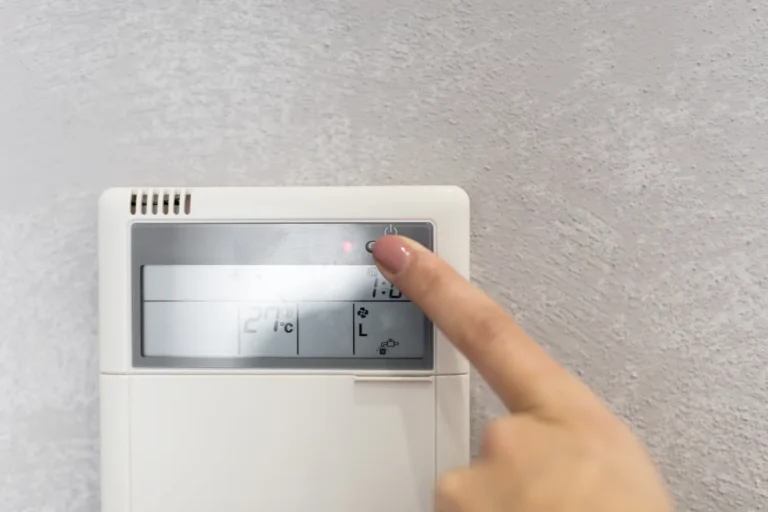
Check Your Thermostat
Verify:
- Cooling mode is selected
- Temperature is set below room temperature
- Batteries are working
- Display is functioning
It sounds simple, but thermostat settings account for many service calls.
Inspect Your Air Filter
A severely clogged filter restricts airflow.
Poor airflow can cause numerous HVAC issues, including frozen coils and system shutdowns.
Replace dirty filters every one to three months.
Check the Circuit Breaker
Locate your electrical panel.
Look for a tripped breaker labeled:
- AC
- Air Conditioner
- Condenser
- HVAC
Reset it only once.
If it immediately trips again, discontinue troubleshooting and call a professional.
Listen Carefully
Stand near the outdoor unit.
Ask yourself:
- Is it completely silent?
- Do you hear humming?
- Is there clicking?
- Is the fan spinning?
- Is only the fan running?
Each symptom provides valuable diagnostic information.
Check Airflow
Walk to several supply vents.
Weak airflow may indicate:
- Dirty filter
- Frozen evaporator coil
- Blower issue
Strong airflow with warm air often points toward refrigerant or compressor problems.
Look for Ice
Ice on refrigerant lines can indicate:
- Low refrigerant
- Airflow restriction
- Mechanical issues
Turn the system off if ice is present and allow it to thaw before calling for service.
What You Should Never Attempt
Some online videos encourage homeowners to test electrical components.
These repairs should always be left to licensed HVAC professionals.
Avoid attempting to:
- Replace AC fuses
- Test capacitors
- Open electrical disconnects
- Measure voltage
- Replace contactors
- Recharge refrigerant
- Replace compressors
High-voltage HVAC equipment can be extremely dangerous.
Why a Blown Fuse Doesn’t Always Mean a Simple Repair
Many homeowners assume replacing a fuse solves the problem.
Often, the blown fuse is only the symptom.
The real cause could include:
- Bad capacitor
- Electrical short
- Damaged compressor
- Loose wiring
- Failing contactor
- Overheating motor
Professional diagnostics identify the root cause before replacing components.
Otherwise, the new fuse may fail immediately.
Understanding AC Compressor Cost
One reason homeowners search AC compressor cost is because compressor replacements are among the largest HVAC repairs.
Actual costs vary depending on:
- System size
- Manufacturer
- Warranty status
- Refrigerant type
- Labor requirements
- Accessibility
- Age of equipment
Sometimes replacing the compressor makes sense.
Other times, replacing the entire system provides greater long-term value, especially if the unit is 12 to 15 years old or uses outdated refrigerant.
A trusted HVAC contractor should explain every available option before recommending replacement.
Preventing Electrical AC Problems
Preventative maintenance dramatically reduces the likelihood of major failures.
Professional maintenance includes:
Cleaning Condenser Coils
Dirty coils increase operating temperatures.
Inspecting Electrical Connections
Loose wiring can create excessive resistance and overheating.
Testing Capacitors
Weak capacitors place additional stress on compressors.
Checking Refrigerant Levels
Improper refrigerant pressures shorten compressor life.
Measuring Amp Draw
Technicians can detect compressor problems long before complete failure.
Inspecting Contactors
Worn contactors frequently cause electrical issues.
Routine maintenance often catches minor issues before they become expensive emergencies.
Why Palm Desert Homes Need Regular AC Maintenance
Desert climates are especially demanding on HVAC systems.
Palm Desert homeowners face unique challenges including:
- Dust accumulation
- High UV exposure
- Extended cooling seasons
- Sand infiltration
- Extreme operating temperatures
- Heavy daily runtime
Communities near Palm Desert High School, College of the Desert, The Shops on El Paseo, Acrisure Arena, and surrounding neighborhoods experience conditions that make preventive maintenance even more valuable.
Regular inspections help keep systems operating efficiently despite these harsh environmental conditions.
Homeowners can also review the Department of Energy’s Home Cooling 101 guide for basic air conditioning maintenance tips, including regular filter cleaning or replacement.
Why Professional Diagnosis Saves Money
Guessing rarely saves money.
Replacing parts without proper testing often results in:
- Multiple unnecessary repairs
- Repeat service calls
- Increased labor costs
- Additional electrical damage
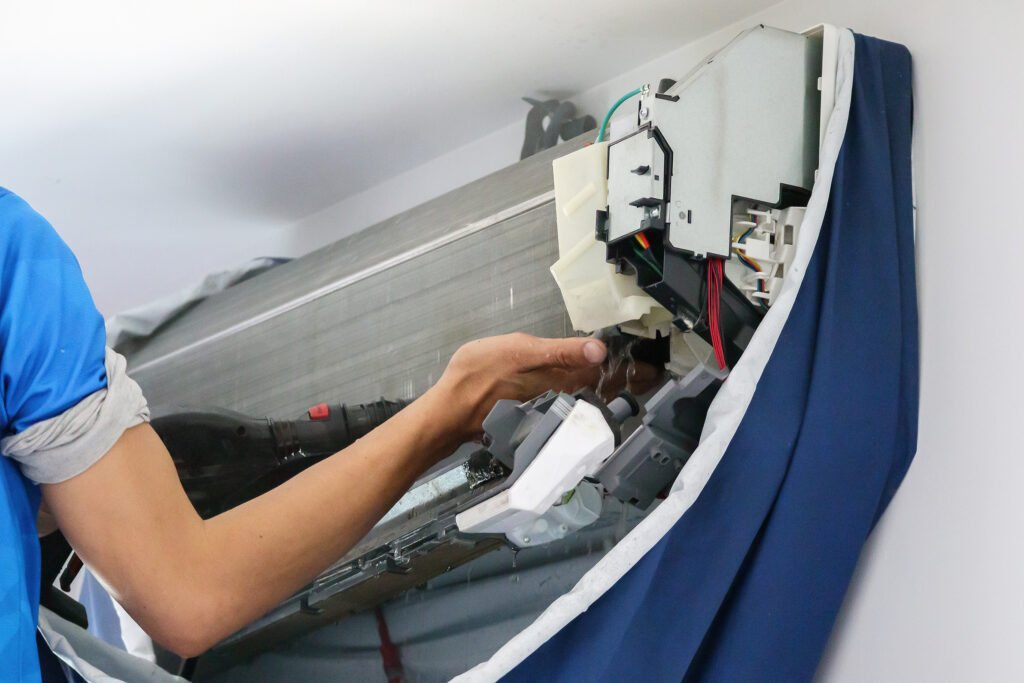
Professional technicians use specialized diagnostic equipment to identify the true source of the problem before recommending repairs.
At Next Level Air Conditioning, our experienced technicians provide honest diagnostics, explain your options clearly, and help homeowners throughout Palm Desert and the surrounding communities make informed decisions about their HVAC systems. With more than 10 years of experience serving the Coachella Valley, we understand how local desert conditions affect air conditioning systems and deliver reliable solutions designed for long-term performance.
Areas We Proudly Serve
Next Level Air Conditioning proudly serves homeowners throughout:
- Palm Desert
- Palm Springs
- Rancho Mirage
- Indian Wells
- La Quinta
- Cathedral City
- Desert Hot Springs
- Bermuda Dunes
- Thousand Palms
- Indio
- Coachella
- Palm Desert Country Club
- North Palm Desert
- Sun City Palm Desert
- The entire Coachella Valley
Trust Next Level Air Conditioning for Expert AC Troubleshooting in Palm Desert
When your air conditioner stops working, accurate diagnosis is the first step toward an effective and affordable repair. Whether the issue is a simple blown fuse, a failing capacitor, or a damaged compressor, having an experienced HVAC team inspect your system can save you time, money, and unnecessary frustration.
For homeowners searching for AC troubleshooting Palm Desert, AC repair Palm Desert, AC compressor cost, air conditioning diagnostics, HVAC repair near me, or emergency AC service in the Coachella Valley, Next Level Air Conditioning is ready to help. With over a decade of experience, we proudly serve Palm Desert and neighboring communities with dependable service, transparent recommendations, and lasting HVAC solutions designed to keep your home comfortable through even the hottest California summers.