Summer cooling bills in the Coachella Valley can climb fast when air conditioners run for long hours during extreme heat. Homeowners in Palm Desert, La Quinta, Indio, Rancho Mirage, Cathedral City, Palm Springs, and nearby desert communities can reduce cooling costs by combining professional AC maintenance, clean filters, smart thermostat settings, better insulation, air sealing, shade, and energy-efficient equipment.
At Next Level Air Conditioning, we help Coachella Valley homeowners keep cooling systems running efficiently through AC maintenance, air conditioning repair, HVAC inspections, thermostat upgrades, and system replacement guidance. A few smart improvements can reduce strain on your air conditioner and help your home stay more comfortable during the hottest months.
Unfortunately, those soaring temperatures often lead to soaring utility bills. Many homeowners are shocked when they receive their summer energy statements and realize that cooling costs account for a significant portion of their monthly expenses.
The good news is that there are proven ways to reduce cooling costs without sacrificing comfort. At Next Level Air Conditioning, we have spent more than 10 years helping Coachella Valley homeowners improve HVAC efficiency, lower energy consumption, and maintain comfortable indoor temperatures throughout the hottest months of the year.
In this guide, we’ll explain practical strategies to slash your summer cooling bills while protecting your HVAC system from unnecessary wear and tear.
Table of Contents
Why Cooling Costs Are So High in the Coachella Valley
The Coachella Valley experiences some of the hottest summer temperatures in the country. It is not uncommon for temperatures to exceed 110°F throughout June, July, August, and September.
Many homeowners look for ways to reduce summer cooling bills in the Coachella Valley because desert heat places constant demand on air conditioning systems. Long run times, poor insulation, dirty filters, leaky ducts, older equipment, and incorrect thermostat settings can all increase monthly energy use.
Areas near landmarks such as the Palm Springs Aerial Tramway, Indian Wells Tennis Garden, Empire Polo Club, El Paseo Shopping District, Downtown Palm Springs, and The Living Desert Zoo and Gardens all experience the same extreme desert climate.
Several factors contribute to high cooling costs:
Extended Air Conditioner Run Times
During peak summer months, HVAC systems often operate for hours at a time just to maintain indoor comfort.
Aging HVAC Equipment
Older systems frequently consume significantly more electricity than modern high-efficiency units.
Poor Home Insulation
Many homes lose cooled air through attics, walls, windows, and doors.
Dirty HVAC Components
Clogged filters, dirty coils, and neglected maintenance force systems to work harder.
Improper Thermostat Settings
Even minor adjustments can dramatically impact monthly energy bills.
Understanding these issues is the first step toward reducing cooling expenses.
Schedule Professional Air Conditioning Maintenance Before Peak Summer
One of the most effective ways to lower cooling costs is regular HVAC maintenance.
Professional AC maintenance helps your system cool more efficiently before the hottest part of the year. A technician can inspect filters, coils, refrigerant levels, electrical components, thermostat accuracy, condensate drainage, and airflow to identify problems before they lead to higher bills or breakdowns.
A neglected air conditioning system can lose efficiency year after year. Dirt buildup, worn components, and low refrigerant levels can increase energy usage while decreasing cooling performance.
Professional maintenance from Next Level Air Conditioning includes:
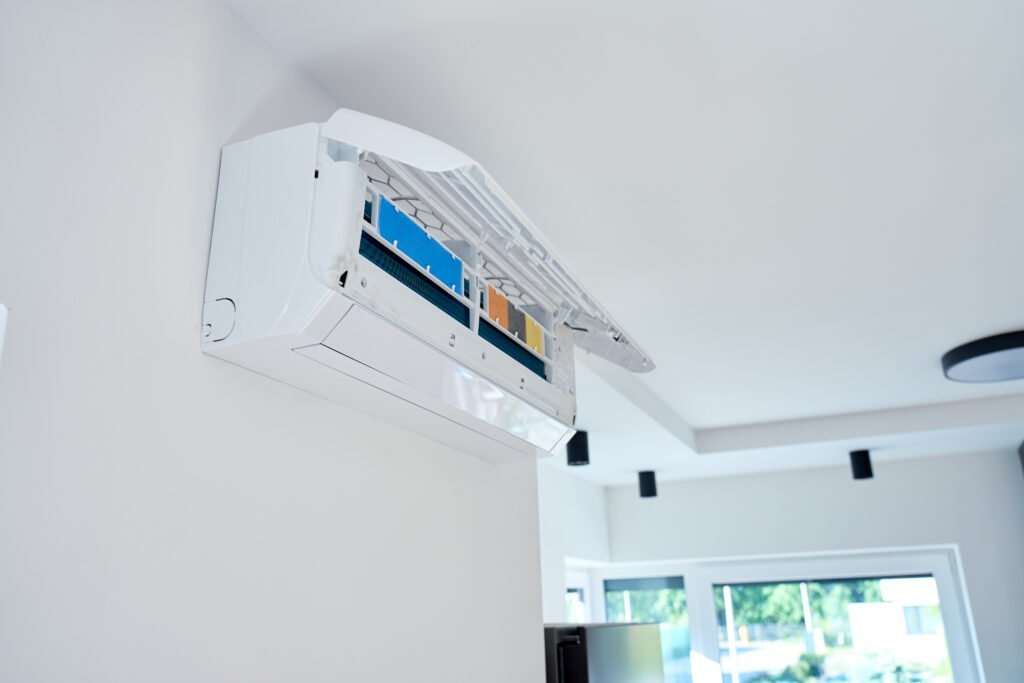
Air Filter Inspection and Replacement
Dirty filters restrict airflow and force the system to consume more energy.
Dirty filters restrict airflow and force the air conditioner to work harder. Replacing filters on schedule is one of the simplest ways to reduce system strain and support lower summer energy use.
Condenser Coil Cleaning
Outdoor units collect dust, sand, and debris common throughout the desert environment.
Outdoor condenser coils can collect dust, sand, leaves, and debris, especially in desert conditions. Clean coils help the system release heat more effectively and can improve overall cooling performance.
Refrigerant Level Checks
Low refrigerant causes longer cooling cycles and higher utility costs.
Low refrigerant can reduce cooling capacity, increase run time, and point to a possible leak. Refrigerant issues should be handled by a qualified HVAC technician because the system needs proper testing and correction.
Electrical Component Testing
Faulty electrical components can negatively impact system efficiency and reliability.
Thermostat Calibration
Accurate thermostat operation helps ensure efficient temperature control.
A thermostat that reads the wrong temperature can cause the system to run longer than necessary. Calibration or thermostat replacement can help keep cooling cycles more accurate.
Routine maintenance often helps homeowners reduce cooling costs while extending equipment lifespan.
Upgrade to a High-Efficiency Air Conditioning System
If your system is more than 10 to 15 years old, replacement may provide substantial savings.
If your current AC system is older, oversized, undersized, or frequently breaking down, a high-efficiency replacement may help reduce summer cooling bills in the Coachella Valley. The right system should be sized for your home, ductwork, insulation, and cooling needs.
Modern HVAC systems feature significantly improved efficiency ratings compared to older equipment.
Benefits of High-Efficiency Systems
- Lower monthly utility bills
- Faster cooling performance
- Improved indoor comfort
- Better humidity management
- Reduced repair costs
- Longer equipment lifespan
Many homeowners throughout Palm Springs, Rancho Mirage, Palm Desert, and Indio discover that energy savings help offset installation costs over time.
Install a Smart Thermostat
Smart thermostats have become one of the easiest and most affordable ways to reduce cooling expenses.
A smart thermostat can help reduce wasted cooling by adjusting temperature settings based on schedules, occupancy, and daily habits. This is especially useful in desert homes where small thermostat changes can affect long summer run times.
Unlike traditional thermostats, smart systems learn your schedule and automatically adjust temperatures throughout the day.
Energy-Saving Features
Automated Scheduling
Reduce cooling when nobody is home.
Remote Access
Adjust temperatures from your smartphone.
Energy Reports
Track usage and identify opportunities for additional savings.
Adaptive Learning
Many smart thermostats optimize cooling based on household behavior.
Even small thermostat adjustments can create noticeable reductions in energy consumption.
Optimize Thermostat Settings During Summer
Many homeowners unknowingly increase their cooling costs through thermostat settings.
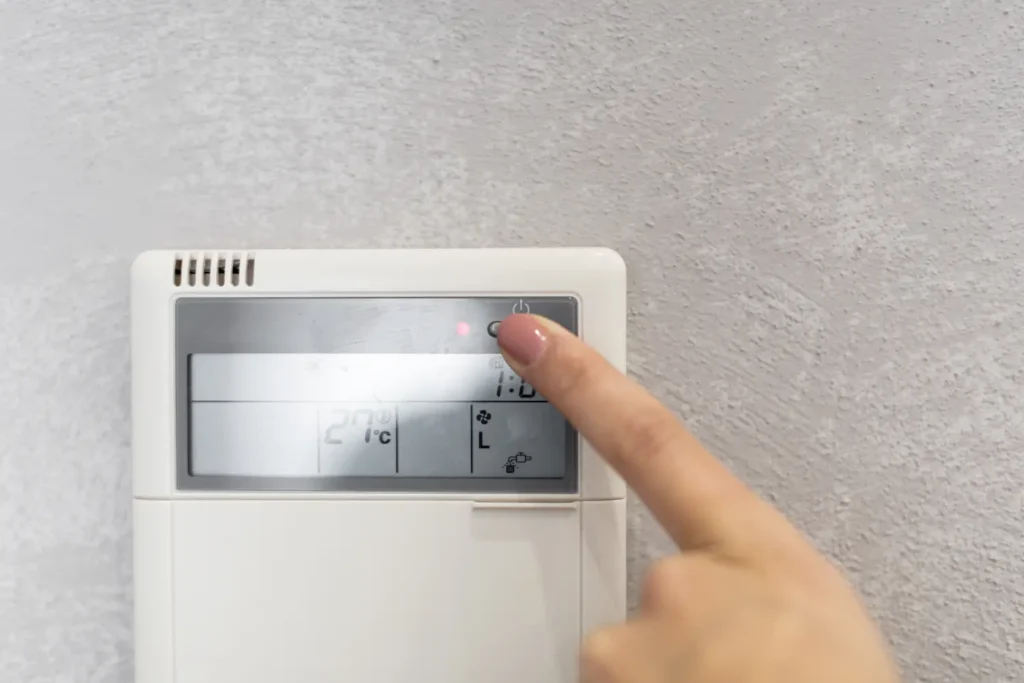
Thermostat habits have a major impact on cooling costs. The U.S. Department of Energy notes that setting your thermostat back 7°–10°F for 8 hours a day can save as much as 10% a year on heating and cooling, and a programmable thermostat can help automate those changes.
Homeowners can also review the U.S. Department of Energy’s guide to programmable thermostats when comparing thermostat settings, automatic schedules, and cooling savings.
The U.S. Department of Energy generally recommends setting your thermostat around 78°F when you are home and raising the temperature when away.
Recommended Summer Settings
When Home
78°F
When Sleeping
74°F to 76°F
When Away
82°F to 85°F
Each degree you raise the thermostat can contribute to measurable energy savings over the course of a summer season.
Improve Home Insulation
Air conditioning efficiency depends heavily on how well your home retains cooled air.
Insulation helps reduce heat transfer into the home, which can lower the workload on the air conditioner. In desert homes, attic insulation, duct insulation, exterior wall insulation, and garage ceiling insulation may all affect indoor comfort.
Many homes throughout the Coachella Valley lose significant energy through poorly insulated areas.
Key Areas to Improve
Attic Insulation
Attics often become extremely hot during summer afternoons.
Exterior Walls
Additional insulation reduces heat transfer.
Garage Ceilings
Garages can transfer excessive heat into living spaces.
Ductwork
Insulating ducts prevents cooled air from warming before reaching rooms.
Improved insulation helps maintain comfortable indoor temperatures while reducing HVAC workload.
Seal Air Leaks Around Doors and Windows
Small air leaks can have a major impact on cooling costs.
Air leaks allow cooled air to escape and hot outdoor air to enter. Sealing gaps around doors, windows, attic access points, ductwork, and penetrations can help keep conditioned air inside longer.
Hot desert air entering your home forces your air conditioner to run longer and work harder.
Common leak locations include:
- Window frames
- Exterior doors
- Sliding glass doors
- Attic access points
- Utility penetrations
- Weatherstripping gaps
Professional sealing can significantly improve energy efficiency throughout the home.
Use Window Treatments Strategically
The desert sun is one of the largest contributors to indoor heat gain.
Window coverings can help reduce heat gain during the hottest part of the day. Cellular shades, blackout curtains, solar screens, reflective window films, and exterior shade can all help limit direct sun exposure.
Homes with large west-facing windows often experience substantial temperature increases during the afternoon.
Effective Window Treatments
Cellular Shades
Provide insulation while reducing sunlight penetration.
Blackout Curtains
Block solar heat gain during peak hours.
Solar Screens
Reduce heat transfer without sacrificing visibility.
Reflective Window Films
Help minimize UV and infrared heat entry.
Window improvements can noticeably reduce HVAC demand during extreme heat events.
Replace Dirty Air Filters Regularly
One of the simplest energy-saving strategies is also one of the most overlooked.
Clean air filters support better airflow, indoor air quality, and AC efficiency. During high-use summer months, filters may need to be checked more often, especially in homes with pets, dust, or allergy concerns.
A clogged air filter restricts airflow and forces your HVAC system to consume more energy.
Recommended Filter Replacement Schedule
Standard Homes
Every 1 to 3 months.
Homes with Pets
Every 1 to 2 months.
Homes with Allergy Concerns
Monthly inspections are recommended.
Coachella Valley dust and desert conditions often require more frequent filter changes than other regions.
Utilize Ceiling Fans Correctly
Ceiling fans do not actually cool a room, but they create a wind-chill effect that makes occupants feel cooler.
Ceiling fans can help rooms feel more comfortable without lowering the thermostat too far. Energy.gov explains that ceiling fans can allow homeowners to raise the thermostat setting by about 4°F without reducing comfort, but fans should be turned off when the room is empty because they cool people, not rooms.
This allows homeowners to increase thermostat settings while maintaining comfort.
Summer Fan Direction
Fans should rotate counterclockwise during summer months.
This pushes cool air downward and improves comfort throughout living spaces.
Combining ceiling fans with proper thermostat settings can reduce cooling expenses significantly.
Keep Your Outdoor Condenser Unit Clear
The outdoor condenser plays a critical role in heat removal.
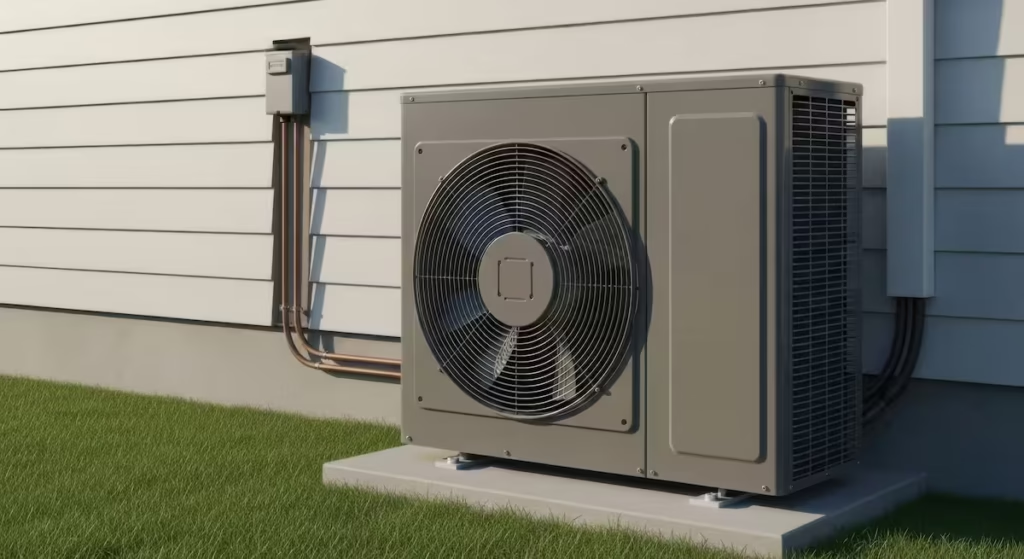
The outdoor condenser needs open airflow to release heat properly. Keep landscaping, leaves, dirt, furniture, and storage items away from the unit so the system can breathe and operate efficiently.
When airflow around the unit becomes restricted, efficiency suffers.
Maintain Proper Clearance
Keep at least two feet of clearance around the unit by removing:
- Desert landscaping debris
- Weeds
- Leaves
- Palm fronds
- Outdoor storage items
Regular cleaning helps maintain optimal system performance throughout the cooling season.
Consider Energy-Efficient Home Improvements
Long-term cooling savings often come from improving the overall energy efficiency of your home.
Energy-efficient windows, cool roofing, attic ventilation, duct sealing, insulation upgrades, and home energy audits can all support lower cooling demand. These upgrades can be especially useful in desert homes exposed to long hours of direct sun.
Popular upgrades throughout Palm Desert, La Quinta, and Rancho Mirage include:
Energy-Efficient Windows
Modern windows significantly reduce solar heat gain.
Cool Roofing Systems
Reflective roofing materials minimize heat absorption.
Attic Ventilation
Proper ventilation lowers attic temperatures.
Energy Audits
Professional assessments identify hidden efficiency issues.
These improvements can provide lasting reductions in cooling costs.
Warning Signs Your HVAC System Is Wasting Energy
Many homeowners don’t realize their air conditioner is operating inefficiently until utility bills increase dramatically.
Warning signs include uneven cooling, frequent cycling, rising utility bills, weak airflow, unusual noises, poor humidity control, warm air from vents, and a system that runs constantly without reaching the thermostat setting.
Watch for:
Uneven Cooling
Some rooms remain warmer than others.
Frequent Cycling
The system turns on and off repeatedly.
Rising Utility Bills
Energy costs increase despite normal usage.
Weak Airflow
Airflow from vents feels reduced.
Unusual Noises
Grinding, rattling, or buzzing sounds may indicate problems.
If you notice any of these symptoms, professional HVAC service may help restore efficiency.
Lower Summer Cooling Bills in the Coachella Valley
Reducing summer cooling bills in the Coachella Valley starts with controlling heat gain, improving airflow, maintaining the air conditioning system, and using thermostat settings wisely. Because desert temperatures can push cooling systems hard for months at a time, small issues like dirty filters, clogged coils, low refrigerant, and leaky ducts can become expensive quickly.
Next Level Air Conditioning helps homeowners in Palm Desert, La Quinta, Indio, Rancho Mirage, Cathedral City, Palm Springs, Indian Wells, Bermuda Dunes, and nearby desert communities improve cooling efficiency through AC maintenance, repair, replacement, thermostat upgrades, and system inspections.
Why Coachella Valley Homeowners Trust Next Level Air Conditioning
For more than a decade, Next Level Air Conditioning has helped homeowners throughout the Coachella Valley improve comfort while reducing energy expenses.

We proudly serve:
- Palm Springs
- Palm Desert
- Rancho Mirage
- Cathedral City
- Indio
- La Quinta
- Desert Hot Springs
- Indian Wells
- Thousand Palms
- Bermuda Dunes
- Coachella
- Surrounding Desert Communities
Our team understands the unique cooling challenges that desert homeowners face and provides customized solutions designed specifically for the Coachella Valley climate.
Whether you need preventative maintenance, AC repair, energy-efficiency upgrades, or a complete system replacement, our goal is to help you maximize comfort while minimizing operating costs.